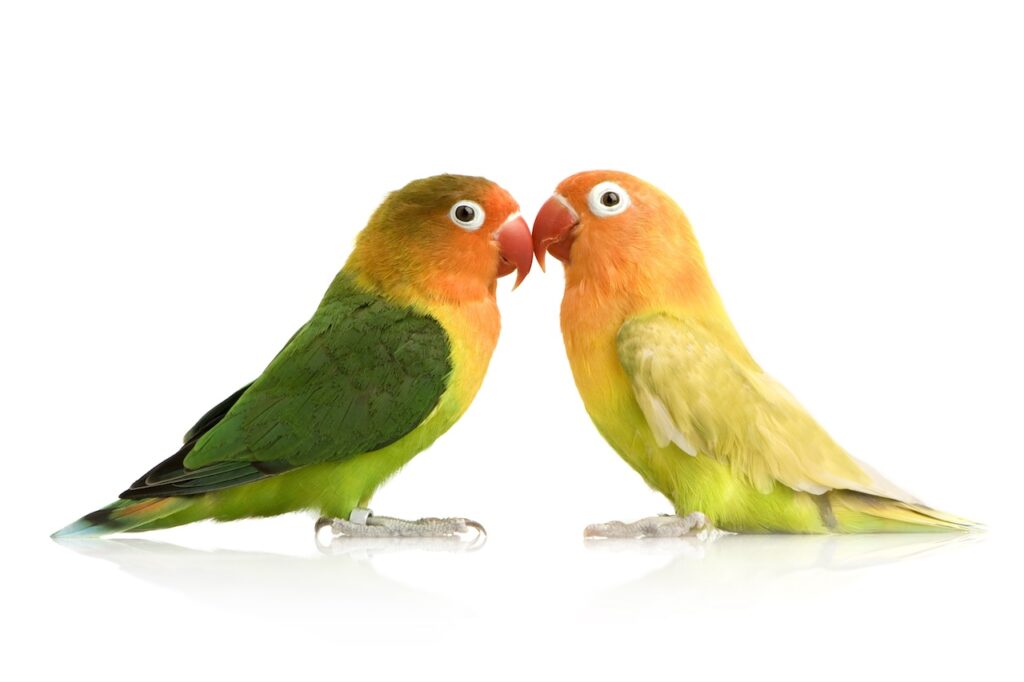
Birds form a fascinating animal group
Birds form a fascinating animal group, with nearly 10,000 species around the world. In Quebec, many species are adopted as pet birds. These birds generally belong to three main orders:
- Psittaciformes: parrots, parakeets, and lovebirds
- Passeriformes: canaries and finches
- Columbiformes: pigeons and doves, which are gaining popularity

Each species has unique needs that must be understood to ensure proper care and well-being.
Lifespan: a long-term commitment
Life expectancy varies greatly depending on the species:
- Small birds: around 10 years
- Large parrots: up to 80 years
Adopting a bird means making a long-term commitment. Additionally, rehoming can be highly stressful for many birds.
Flight: freedom and caution
Pet birds retain their ability to fly, which benefits their mental and physical health. However, it can also present risks:
- Household accidents
- Escape through open doors or windows
- Importance of a secure environment
Fast metabolism
Because of their ability to fly, birds have a fast metabolism and require constant energy:
- Frequent nutritional intake is vital
- Even short fasting periods can be dangerous
- Their respiratory system is very sensitive to pollutants (e.g., smoke, aerosols, scented candles)
Legs and feet: sensitive areas
Birds constantly rest on two legs. Improper perch design or poor hygiene can lead to issues such as:
- Pressure sores
- Infections
- Pododermatitis (inflammatory lesions under the feet)
Egg-laying: a demanding process
Females may lay eggs without the presence of a male. While natural, this can be physically demanding and lead to:
- Nutritional deficiencies
- Fatigue
- Health complications due to excessive egg-laying
Determining a bird’s sex
In many species, males and females cannot be visually distinguished. DNA sexing offers a reliable way to determine sex using a blood sample.
Behavior: understanding your bird
Birds exhibit species-specific behaviors that reflect their natural instincts:
- Prey species: even in captivity, they remain cautious and often hide signs of illness
- Daily routine: feeding, socializing, preening, sleeping
- Social behavior: parrots in particular form strong bonds and need daily interaction
- Intelligence: many parrots can solve puzzles, learn commands, and require regular mental stimulation
In conclusion
Birds are intelligent, social creatures that thrive in a stable, enriched environment. Understanding their nature helps provide the care they need. For any questions or to schedule a veterinary check-up, feel free to contact us!