


What is pyometra in female cats?
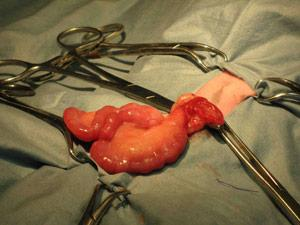
Pyometra in female cats is a serious uterine infection where pus builds up in the uterus. It usually occurs 2 to 10 weeks after the heat cycle, triggered by prolonged exposure to progesterone, a hormone that prepares the uterus for pregnancy. Repeated hormonal changes make the uterus more vulnerable to bacterial infections.
Unspayed cats are most at risk. Though it can develop at any age after puberty, pyometra is more common in cats over 7 years old.
Risk factors for pyometra in cats
Several factors increase a cat’s risk of developing pyometra:
- Older age, which weakens the uterus
- Hormonal treatments, such as progesterone injections to suppress heat
- Repeated estrous cycles, causing hormonal overstimulation
- Ascending bacterial infections from the vulva to the uterus
- History of pregnancy or miscarriage, which may damage the uterine lining
Symptoms of pyometra in cats
Symptoms vary depending on whether the pyometra is open (pus drains out) or closed (no visible discharge, more dangerous). Common signs include:
- Lethargy and loss of appetite
- Vomiting and dehydration
- Increased thirst and urination (often linked to kidney strain)
- Vulvar discharge in open pyometra
- Abdominal swelling due to pus accumulation
- Fever and abdominal discomfort
If untreated, pyometra can lead to sepsis, kidney failure, blood clotting issues, and death.
How is pyometra diagnosed in cats?
To confirm pyometra, the vet will perform:
- Physical examination, including abdominal palpation
- Blood tests, to assess infection and kidney function
- Abdominal ultrasound, to visualize a swollen uterus and rule out other conditions (pregnancy, tumor, metritis)
- X-rays, sometimes used to confirm uterine enlargement
Treatment options for pyometra in cats
Treatment depends on the cat’s condition and the stage of infection.
Surgical treatment: Ovariohysterectomy
The most effective and safest approach is surgical removal of the uterus and ovaries (spaying). Benefits include:
- Complete elimination of the infection
- Prevention of recurrence
- Rapid stabilization of the cat’s condition
Before surgery, the cat will receive:
- IV fluids to correct dehydration
- Antibiotics to control the infection
- Pain management to ensure comfort
Medical treatment: High-risk alternative
In rare cases, if the cat is a valuable breeding female and the pyometra is open, a medical approach using prostaglandins may be attempted to expel pus without surgery. However, this method:
- Is not recommended due to high recurrence risk
- Requires strict veterinary monitoring, with ultrasounds every 2 days
Hospitalization and post-treatment care
Whether treated surgically or medically, hospitalization is usually necessary to:
- Monitor the infection’s progression
- Check kidney and liver function via blood tests
- Administer ongoing antibiotics and pain relief
How to prevent pyometra in cats
The most effective way to prevent pyometra is to spay the cat before her first heat cycle or once she’s no longer intended for breeding.
Benefits of spaying include:
- Complete prevention of pyometra
- Lower risk of mammary tumors
- Reduced heat-related behaviors (excessive vocalization, marking, roaming)
Conclusion
Pyometra is a life-threatening condition in unspayed female cats. Early diagnosis and immediate treatment are crucial to ensure the cat’s survival. The best prevention is spaying, which fully eliminates the risk. If your cat shows unusual symptoms after a heat cycle, contact your veterinarian quickly to avoid dangerous complications.


